
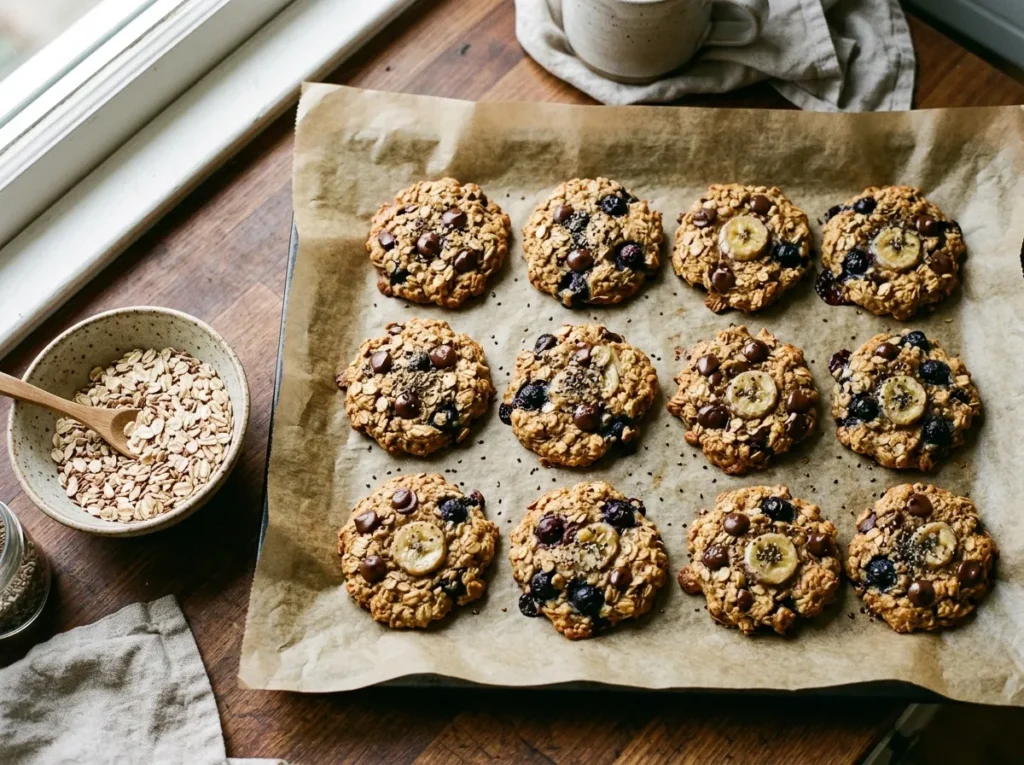
What if the after-school cookie your child reaches for every afternoon was actually doing their gut some good? Not in a vague, aspirational way — but genuinely, measurably nourishing the beneficial bacteria that support their digestion, immune function, and overall wellbeing. That is exactly what prebiotic and fiber-rich cookies deliver, and in 2026, they are one of the most exciting developments in the family baking world.
Prebiotic baking is not about replacing delicious with nutritious. It is about baking smarter — choosing base ingredients that happen to be rich in prebiotic fiber and blending them into cookies that taste genuinely wonderful. No protein powders, no specialty supplements, no ingredients your children will notice or resist. Just wholesome, real-food baking that pulls double duty as both treat and gut support. At Mommy and Me Cookies, this is the kind of win we love most — and this guide gives you everything you need to make it happen in your kitchen.
Why Prebiotic Fiber Matters for Your Kids Right Now
Before we get into the recipes, it helps to understand what prebiotics actually are — because they are frequently confused with probiotics, and the distinction matters when it comes to baking.
Prebiotics vs. Probiotics — The Simple Difference
Probiotics are the live beneficial bacteria themselves — the microorganisms found in fermented foods like yogurt, kefir, and sourdough. Prebiotics, on the other hand, are the non-digestible fibers that feed those bacteria, helping them survive, multiply, and thrive in your child’s gut. Think of probiotics as the garden and prebiotics as the fertilizer that keeps everything growing.
The reason prebiotics are so valuable in baking is precisely because they survive heat. While probiotic cultures are destroyed during the baking process, prebiotic fibers remain structurally intact and functional after baking — meaning every cookie made with oats, flaxseed, banana, or chia delivers genuine prebiotic benefit to your child’s gut microbiome, warm from the oven or three days later from the cookie jar.
The Research Behind Gut Health for Kids
According to Children’s Hospital of Philadelphia’s food as medicine guide, a diet high in prebiotic foods supports healthy intestinal function, improves digestion, strengthens the immune system, and helps children absorb nutrients more effectively. Fiber also helps regulate appetite — children who eat adequate fiber stay fuller for longer after meals, which reduces the cycle of constant snacking and energy crashes that many parents find so challenging.
Most children in the U.S. consume far less fiber than recommended. The general guideline — age plus five grams per day — means a seven-year-old needs around twelve grams of fiber daily, yet average intake falls significantly short. Snack time is the most practical window in the day to close that gap, and a cookie made with oats, banana, and chia seeds can contribute meaningfully toward that daily target in a format children actively want to eat.
As Whole Foods Market’s 2026 Trends Council predicts, fiber is the defining nutritional story of 2026 — with pantry staples like oats leading a mainstream shift toward prebiotic-forward eating that is no longer niche, no longer medicalized, and entirely relevant to everyday family snacking and baking.
The Best Prebiotic Ingredients for Cookie Baking
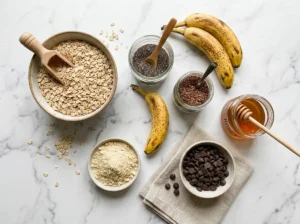
The great news is that the most effective prebiotic ingredients for family baking are not exotic specialty items. They are pantry staples you likely already own — or can find at any grocery store for very little cost. Here is a breakdown of the key players.
Rolled Oats — The Foundation
Oats are the cornerstone of prebiotic cookie baking. They are rich in beta-glucan fiber, a particularly well-studied type of prebiotic that feeds beneficial gut bacteria, supports healthy cholesterol levels, and helps regulate blood sugar — which is directly connected to the steady energy and focus your children need throughout the school day. According to Healthline’s comprehensive guide to prebiotic foods, oats also contain resistant starch, which acts as a secondary prebiotic source and adds to their gut-nourishing profile. In cookie baking, rolled oats contribute a satisfying chewiness, a nutty wholesome flavor, and a heartiness that makes cookies genuinely filling rather than just sweet.
Ripe Bananas — Natural Sweetness Plus Gut Support
Ripe bananas serve a dual purpose in prebiotic cookie baking: they act as a natural binder and sweetener, reducing the need for added sugar, while simultaneously providing inulin fiber — one of the most well-studied prebiotic fibers, which selectively feeds Bifidobacterium and Lactobacillus bacteria in the gut. The riper the banana, the sweeter and more flavorful it becomes — and even very ripe bananas retain their prebiotic fiber, making those heavily spotted, “past their prime” bananas the most valuable ones in your kitchen for baking purposes.
Chia Seeds — Tiny But Mighty
Chia seeds are one of the most fiber-dense ingredients available for home baking. Just two tablespoons deliver around 10 grams of fiber, a meaningful portion of which acts as a prebiotic. They are virtually tasteless, invisible in baked goods once mixed into dough, and create a pleasant, slightly chewy texture. Chia seeds also absorb moisture and help bind dough — making them an excellent addition to any oat-based cookie that you want to hold together without excessive flour or eggs.
Ground Flaxseed
Ground flaxseed is another powerhouse prebiotic ingredient that blends seamlessly into cookie dough. It contributes soluble fiber that feeds beneficial gut bacteria, along with omega-3 fatty acids and lignans that support inflammation balance. Always use ground flaxseed rather than whole seeds in baking — the body cannot break down the outer shell of whole flaxseeds, meaning the nutritional benefits pass through unabsorbed. One to two tablespoons of ground flaxseed added to any cookie dough is virtually undetectable in flavor while adding genuine nutritional value.
Almond Flour and Oat Flour
Swapping some or all of the all-purpose flour in your cookie recipe for almond flour or oat flour adds fiber, prebiotic content, and nutritional depth. Almond flour contributes prebiotic fiber alongside healthy fats and protein. Oat flour — which is simply rolled oats blended in a food processor for 30 seconds — retains all the beta-glucan goodness of whole oats in a form that integrates smoothly into dough and produces a tender, slightly nutty-flavored cookie.
Three Prebiotic Cookie Recipes the Whole Family Will Love
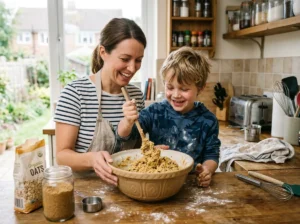
Each of these recipes is designed around real-food prebiotic ingredients, uses no specialty supplements, and produces genuinely delicious results. Start with whichever sounds most appealing — they all work beautifully as after-school snacks, lunchbox additions, or weekend baking projects with the kids.
Banana Oat Chia Cookies — The All-In-One Prebiotic Cookie
This recipe packs three of the most effective prebiotic ingredients into one simple, one-bowl cookie that comes together in under 15 minutes with zero chilling required.
Ingredients (makes 14 cookies):
- 2 very ripe bananas, mashed
- 1½ cups rolled oats
- 2 tablespoons chia seeds
- 2 tablespoons ground flaxseed
- 2 tablespoons natural peanut or almond butter
- 1 tablespoon honey or maple syrup
- ½ teaspoon cinnamon
- ½ cup dark chocolate chips or blueberries (or both)
Instructions: Preheat oven to 350°F (175°C) and line a baking sheet with parchment. Mash the bananas thoroughly in a large bowl. Add all remaining ingredients and stir until fully combined — the dough will be soft and slightly sticky. Drop rounded tablespoons onto the prepared sheet and flatten gently with the back of a spoon. Bake for 12 to 14 minutes until the edges are golden and the centers look set. Cool completely on the sheet — these cookies firm up significantly as they cool. Each cookie delivers fiber from three distinct prebiotic sources.
Tip for little ones: Mashing the bananas is a perfect task for toddlers and young children — give them a fork and a bowl and let them work until the bananas are smooth and lump-free. They will be enormously proud of the result.
Almond Flour and Oat Prebiotic Chocolate Chip Cookies
This recipe is the closest in texture and appearance to a classic chocolate chip cookie, making it the ideal choice for picky eaters or for packing into lunchboxes without any questions about what is different. The almond flour and oat base provides a naturally chewy, slightly crisp-edged cookie that is genuinely difficult to distinguish from a standard version — except that every bite delivers meaningful prebiotic fiber from multiple whole food sources.
Ingredients (makes 16 cookies):
- 1½ cups almond flour
- ½ cup rolled oats
- 1 tablespoon ground flaxseed
- ½ teaspoon baking soda
- ¼ teaspoon fine sea salt
- ¼ cup coconut oil or unsalted butter, melted
- 3 tablespoons maple syrup or honey
- 1 large egg
- 1 teaspoon vanilla extract
- ¾ cup dark or semi-sweet chocolate chips
Instructions: Preheat oven to 350°F (175°C). Whisk all dry ingredients in one bowl and all wet ingredients in another. Combine the two and fold in the chocolate chips. Scoop rounded tablespoons onto a parchment-lined baking sheet and flatten slightly — these cookies do not spread much during baking. Bake for 10 to 12 minutes until golden at the edges. Cool completely before eating — almond flour cookies are fragile when warm and firm up fully as they cool.
Apple Cinnamon Prebiotic Oat Cookies
This recipe introduces apple — one of the best natural prebiotic foods for children, thanks to its pectin content — in a warm, cinnamon-spiced cookie that tastes like an oatmeal cookie crossed with an apple crumble. Finely diced or grated fresh apple goes directly into the dough, adding moisture, natural sweetness, and a gentle fruity flavor that pairs beautifully with cinnamon and oats.
Ingredients (makes 18 cookies):
- 1½ cups rolled oats
- ¾ cup oat flour (blend rolled oats in food processor for 30 seconds)
- 1 tablespoon chia seeds
- 1 teaspoon cinnamon
- ½ teaspoon baking powder
- ¼ teaspoon fine sea salt
- 1 medium apple, peeled and finely grated
- ¼ cup maple syrup
- 3 tablespoons coconut oil or butter, melted
- 1 large egg
- 1 teaspoon vanilla extract
- ½ cup raisins or chopped walnuts (optional)
Instructions: Preheat oven to 350°F (175°C). Combine all dry ingredients in a large bowl. In a separate bowl, whisk the grated apple, maple syrup, oil, egg, and vanilla. Add the wet ingredients to the dry and stir until fully combined — the dough will be slightly wet from the apple moisture. Scoop onto a parchment-lined baking sheet and flatten gently. Bake for 13 to 15 minutes until golden at the edges and set in the center. Cool on the sheet for 10 minutes before transferring.
Baking Tips for the Best Prebiotic Cookies
Do Not Overbake — Ever
Cookies made with oats, almond flour, and banana tend to firm up considerably as they cool. Pull them from the oven when they look slightly underdone and the centers still appear soft — this is correct. Overbaking produces dry, crumbly cookies that lose their satisfying chewiness. For solutions to the most common cookie texture problems, our cookie troubleshooting guide covers every scenario in detail.
Use Very Ripe Bananas
For the banana-based recipes, deeply brown, spotty bananas deliver the best results. They are sweeter, softer, and more flavorful than yellow bananas, and they produce a cookie with superior moisture and texture. If your bananas are not ripe enough yet, place unpeeled bananas on a baking sheet and bake at 300°F for 20 minutes — they will emerge softened, blackened, and perfectly sweet.
Store Smartly to Preserve Texture
Prebiotic cookies made with oats and banana are best stored in an airtight container at room temperature for up to 4 days. After that, they are best moved to the refrigerator or freezer. All three recipes freeze beautifully — layer baked cookies between sheets of parchment in an airtight container and freeze for up to 3 months. For a complete storage breakdown, see our ultimate cookie storage and freezing guide.
Building a Gut-Healthy Baking Routine for Your Family
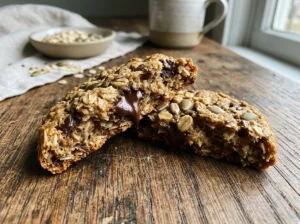
Prebiotic cookies are a wonderful entry point into a broader approach to functional family baking — the idea that what you bake at home can actively support your children’s health, not just satisfy their sweet tooth. These three recipes pair beautifully with the gut-healthy baking philosophy we explore in our dedicated post on gut-healthy cookies for kids, which covers additional ingredients and techniques for supporting digestive wellness through everyday baking.
If you are also interested in building up the protein content of your family’s snack cookies, our post on protein-packed cookies for kids pairs perfectly with these recipes — many of the ingredients overlap, and the two approaches can be combined into a single cookie that delivers both prebiotic fiber and meaningful protein in every bite.
Treat Time That Actually Does Something Good
Cookies do not have to be a compromise between delicious and nutritious. With the right ingredients — oats, bananas, chia seeds, flaxseed, almond flour, apples — you can bake treats that taste exactly the way a good cookie should taste while also providing real, measurable support for your children’s gut health and overall wellbeing.
The best part is that none of this requires any special knowledge, any specialty supplements, or any deception. These cookies are genuinely delicious on their own terms. Your kids will love them because they taste great. And you will love them for exactly the same reason — with the bonus of knowing that every batch is doing a little extra good work from the inside out.
Happy baking from all of us at Mommy and Me Cookies! 🍪